
Tell the assessor where water went
From an approved safe location, describe standing water, wet ceilings or floors and whether utilities remain isolated. Do not enter a wet room with possible electrical or structural hazards. Fire residue and damaged building materials can change the work precautions; report the fire history before arranging a visit.
Compare drying goals and records
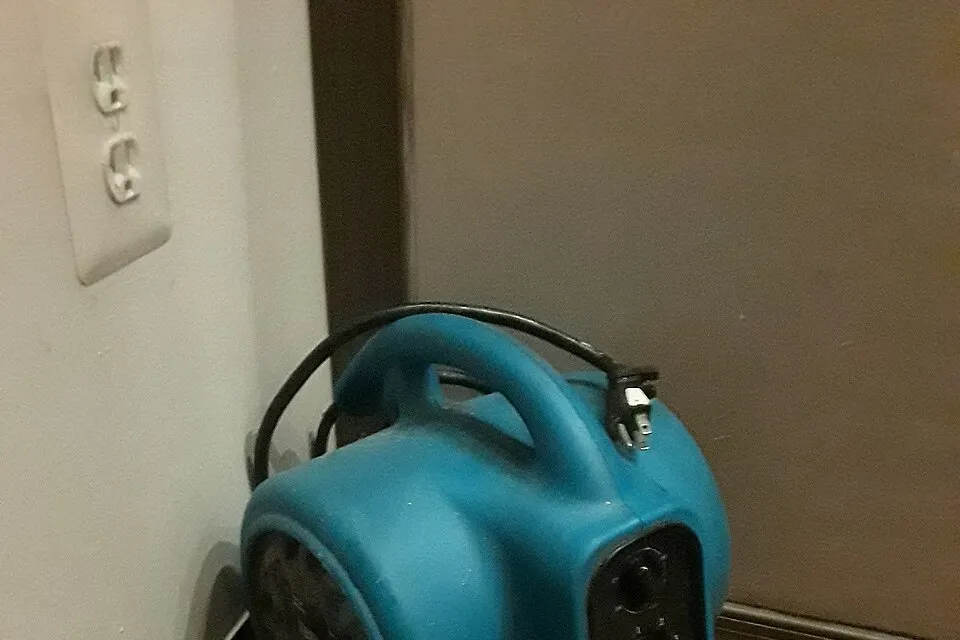
Ask what moisture observations will be recorded, which materials can be dried in place and which need removal. Equipment placement and duration should follow the assessed conditions. A running air mover alone does not prove concealed material is dry. Request the agreed measurements and completion records.
Clarify the handoff to rebuilding
Ask who will approve replacement finishes and who addresses roof, electrical or plumbing damage left outside the drying scope. Retain material findings before covering a wall or ceiling. Water-related work and insurance decisions are separate; confirm documentation requirements with the insurer.
Moisture extent and drying records
Water location, material layers, extraction access and retained versus removed material decisions influence equipment and visit requirements. Ask about measurement visits, equipment charges and how drying completion is documented. Utilities, safe access and concealed wet areas can change the proposed sequence.
Prepare the next step
Use the first-steps checklist and estimate comparison guide to keep your observations and questions organized.
- Entry permissionResponsible authority sets access limits.
- AssessmentBusiness records rooms, materials and work limits.
- Written scopeYou clarify charges, exclusions and approvals.
- Completion recordsKeep findings before the rebuilding handoff.