
Separate odor observations from diagnoses
Record when and where odor is noticeable and whether it changes between rooms. Do not enter an unsafe building or run equipment to test the smell. Odor alone cannot establish structural safety, contamination extent or whether a particular treatment is appropriate.
Ask what the assessment includes
Discuss retained porous materials, contents, hidden spaces and ventilation with the assessing business. Ask which conditions would require material removal instead of repeat surface treatment. Any treatment involving restricted occupancy needs clear access, occupant and re-entry instructions from the responsible professional.
Request a written completion plan
Ask how the business will evaluate the agreed work and what happens if the original problem remains. Get the limits, follow-up terms and any separate building repairs in writing. Do not accept a permanent odor-free guarantee based on a website description.
Source investigation and treatment limits
Accessible areas, suspected residue sources and material testing affect the assessment. Ask what will be investigated, which findings support a treatment and how any follow-up is charged. Investigation and subsequent treatment are separate decisions; odor does not establish a diagnosis or guaranteed schedule.
Use the right test for the question
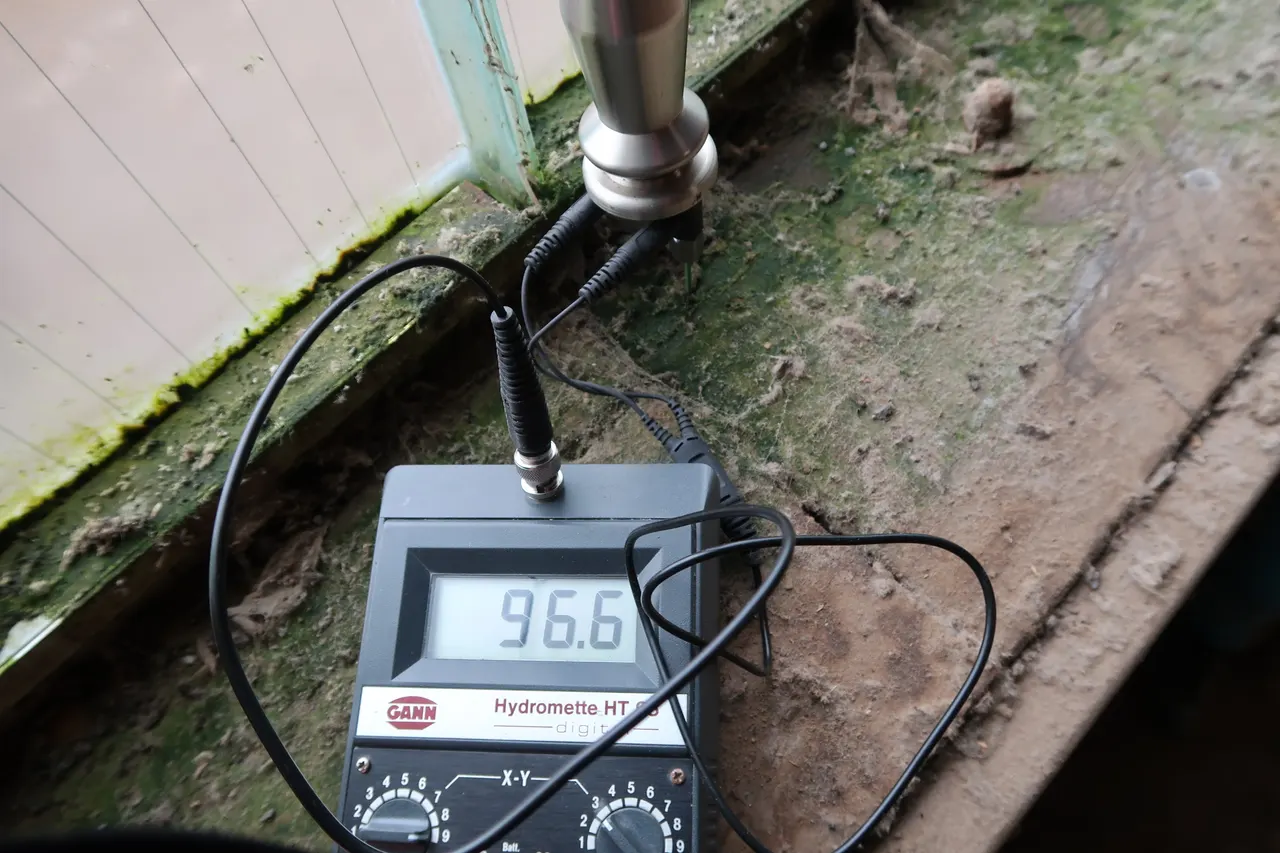
Moisture readings can help investigate firefighting water in materials. Smoke odor needs a separate source assessment. Ask the business which observations and tests support its proposed work rather than assuming a moisture instrument establishes odor removal.
Prepare the next step
Use the first-steps checklist and estimate comparison guide to keep your observations and questions organized.
- Entry permissionResponsible authority sets access limits.
- AssessmentBusiness records rooms, materials and work limits.
- Written scopeYou clarify charges, exclusions and approvals.
- Completion recordsKeep findings before the rebuilding handoff.